What Does TPMS Mean on a Car and Why It Matters
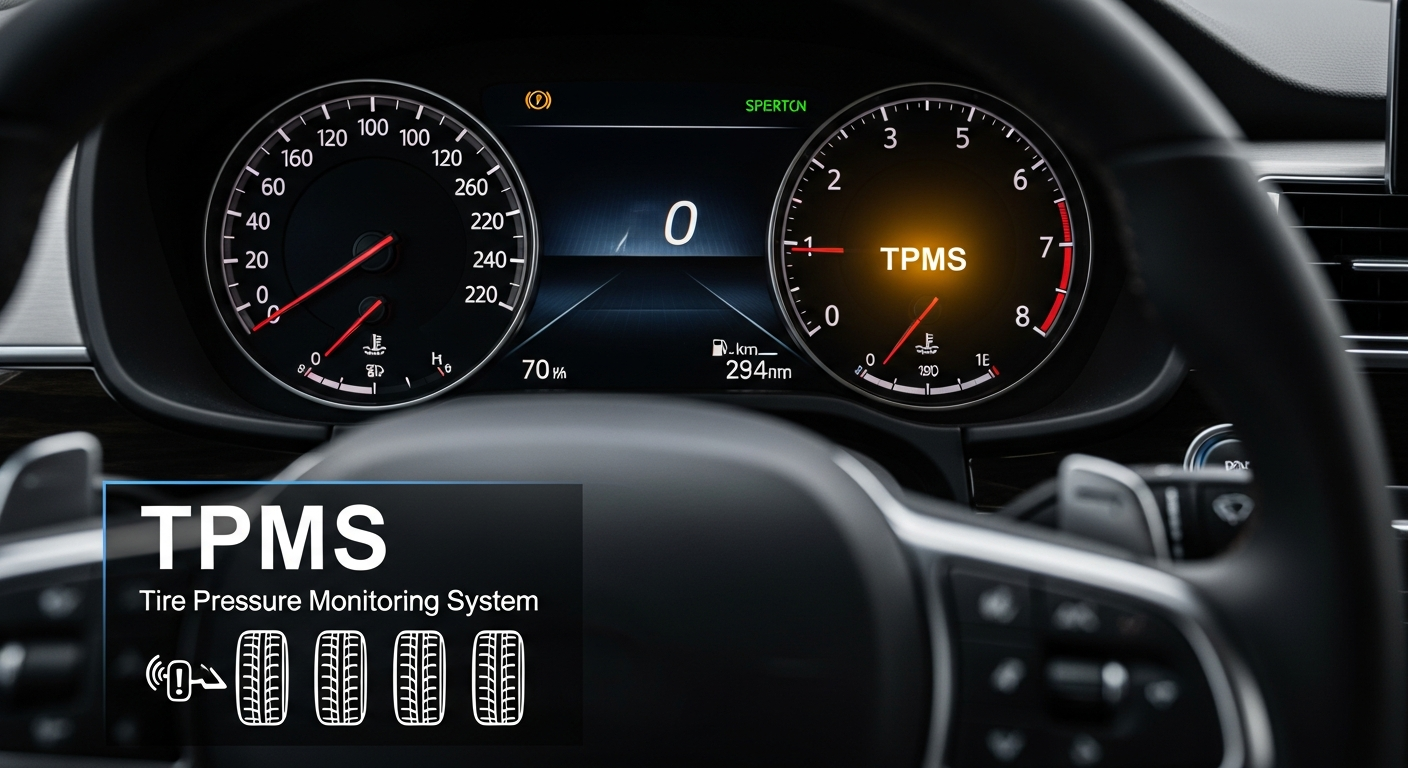
What does TPMS Mean on a Car is a question many drivers ask when they see a new warning light on their dashboard. TPMS stands for Tire Pressure Monitoring System, and it is a smart system that tells you if your tires have too much or too little air. This system is very important because tires are the only part of your car that touches the road. If your tires do not have the right pressure, it can make driving dangerous, reduce your car’s fuel efficiency, and even damage your tires faster. Many people ignore the TPMS light, thinking it is not important, but it actually helps prevent accidents and saves money in the long run.
Understanding what does tpms mean on a car can be simple if you know how it works. The system uses sensors in each tire to measure air pressure. Some sensors are inside the tire on the valve stem, and some are outside and read the tire pressure when the car is moving. When one or more tires are low on air, the TPMS light will turn on. There are two main types of TPMS: direct and indirect. Direct TPMS measures the exact air pressure in each tire and sends the data to the car’s computer. Indirect TPMS does not measure air pressure directly. Instead, it looks at wheel speed and rotation. If a tire is underinflated, it rotates differently than the others, so the system alerts the driver. Knowing what does tpms mean on a car helps you stay safe and avoid unnecessary tire problems, and it is very easy to check and maintain once you understand it.
How TPMS Works in Your Car
TPMS works by constantly monitoring tire pressure and sending real-time data to your car’s computer. In direct TPMS, each tire has a small sensor that measures the air pressure inside the tire. These sensors send signals to a receiver in the car. If the pressure drops below the recommended level, the dashboard light turns on. Indirect TPMS uses the car’s anti-lock braking system (ABS) sensors to measure the speed of each wheel. If a tire is underinflated, it will rotate faster than the others. The system detects this difference and warns the driver. Both systems are designed to help drivers notice problems before they become dangerous.
Why TPMS is Important for Safety
TPMS is not just a feature for convenience; it is a safety tool. Driving with underinflated tires can increase the risk of accidents. Low tire pressure can reduce your car’s handling, making it harder to steer or stop quickly. It can also cause tires to overheat, which can lead to tire blowouts. A blowout at high speed can be very dangerous. By alerting drivers early, TPMS helps prevent accidents caused by tire failure. It is especially helpful for long trips and driving in hot or cold weather when tire pressure can change quickly.
Direct vs Indirect TPMS
There are two main types of TPMS: direct and indirect. Direct TPMS uses sensors inside the tires to measure the exact air pressure. Each tire has a sensor, usually mounted on the valve stem, which sends data to the car’s computer. The driver can see the exact pressure in each tire on the dashboard display in some cars. Direct TPMS is accurate and can detect slow leaks before they become a problem.
Indirect TPMS, on the other hand, does not measure air pressure directly. Instead, it monitors wheel speed using the car’s ABS sensors. An underinflated tire rotates faster than a properly inflated one, and the system can detect this difference. Indirect TPMS is less expensive and does not require special sensors in each tire, but it may be less accurate than direct TPMS.
Common TPMS Warning Lights
The TPMS warning light looks like an exclamation mark inside a tire shape. This light comes on when the system detects low tire pressure in one or more tires. Some cars also show a message on the dashboard that tells you which tire has low pressure. It is important not to ignore this light. Other warning lights may appear if the system itself has a problem, such as a dead sensor battery. Understanding the different TPMS warning lights can help you respond quickly and avoid tire problems.
How to Fix TPMS Problems
If your TPMS light comes on, the first step is to check the air pressure in all tires. Use a reliable tire pressure gauge and inflate the tires to the recommended level, which can usually be found in the owner’s manual or on a sticker inside the driver’s door. If the light stays on after adjusting the pressure, there may be a problem with the sensor or the TPMS system. In this case, it is best to take your car to a professional mechanic. Some TPMS sensors have batteries that last about 5 to 10 years, and if the battery dies, the sensor needs to be replaced.
Tips to Maintain Your Tires and TPMS System
Maintaining your tires is the best way to keep the TPMS system working properly. Check your tire pressure at least once a month and before long trips. Make sure your tires are inflated to the recommended level, not too high or too low. Inspect your tires for signs of damage, such as cracks, cuts, or uneven wear. Rotating your tires regularly and getting wheel alignments can also help your tires last longer. Keeping the TPMS sensors clean and free from damage is important, especially if your car has direct TPMS.
Why Ignoring TPMS Can Be Dangerous
Ignoring the TPMS warning light can be risky. Driving on underinflated tires reduces your control of the vehicle and increases stopping distance. Low tire pressure can also cause tires to overheat, which may lead to blowouts. Blowouts are dangerous, especially at high speeds, and can cause serious accidents. TPMS is designed to protect you and your passengers by alerting you early. Treating the warning light seriously can prevent accidents and save money on tire repairs and fuel.
Signs Your TPMS Might Be Malfunctioning
Sometimes the TPMS system itself may have a problem. Signs include the TPMS light staying on after inflating tires, flashing lights, or incorrect pressure readings. Sensor batteries may die over time, or sensors can get damaged during tire replacement. If your TPMS is not working properly, it is important to get it checked by a professional. A malfunctioning TPMS system can give false readings, which may lead to unsafe driving conditions.
How TPMS Helps Improve Fuel Efficiency
Proper tire pressure not only keeps you safe but also helps save fuel. Underinflated tires increase rolling resistance, which means your car engine has to work harder to move the vehicle. This uses more fuel and increases emissions. By keeping your tires properly inflated, TPMS helps you maintain better fuel efficiency. This can save money over time and reduce your environmental impact.
Conclusion
Understanding what does tpms mean on a car is important for every driver. TPMS is not just a warning light; it is a safety system that protects you from accidents, improves fuel efficiency, and helps your tires last longer. Regular maintenance, checking tire pressure, and responding to TPMS alerts can save you money and keep your car safe on the road. By paying attention to this simple but important system, you ensure a safer and smoother driving experience.
FAQs
Q1: Can I drive with the TPMS light on?
It is not recommended. Check your tire pressure immediately and inflate your tires if needed. Driving with low tire pressure can be dangerous.
Q2: How often should I check my tire pressure?
At least once a month and before long trips. TPMS helps, but manual checks ensure accuracy.
Q3: Can I reset the TPMS light myself?
Some cars allow manual reset after adjusting tire pressure. Check your owner’s manual for instructions.