High Emotional Intelligence Unlocking the Power Within
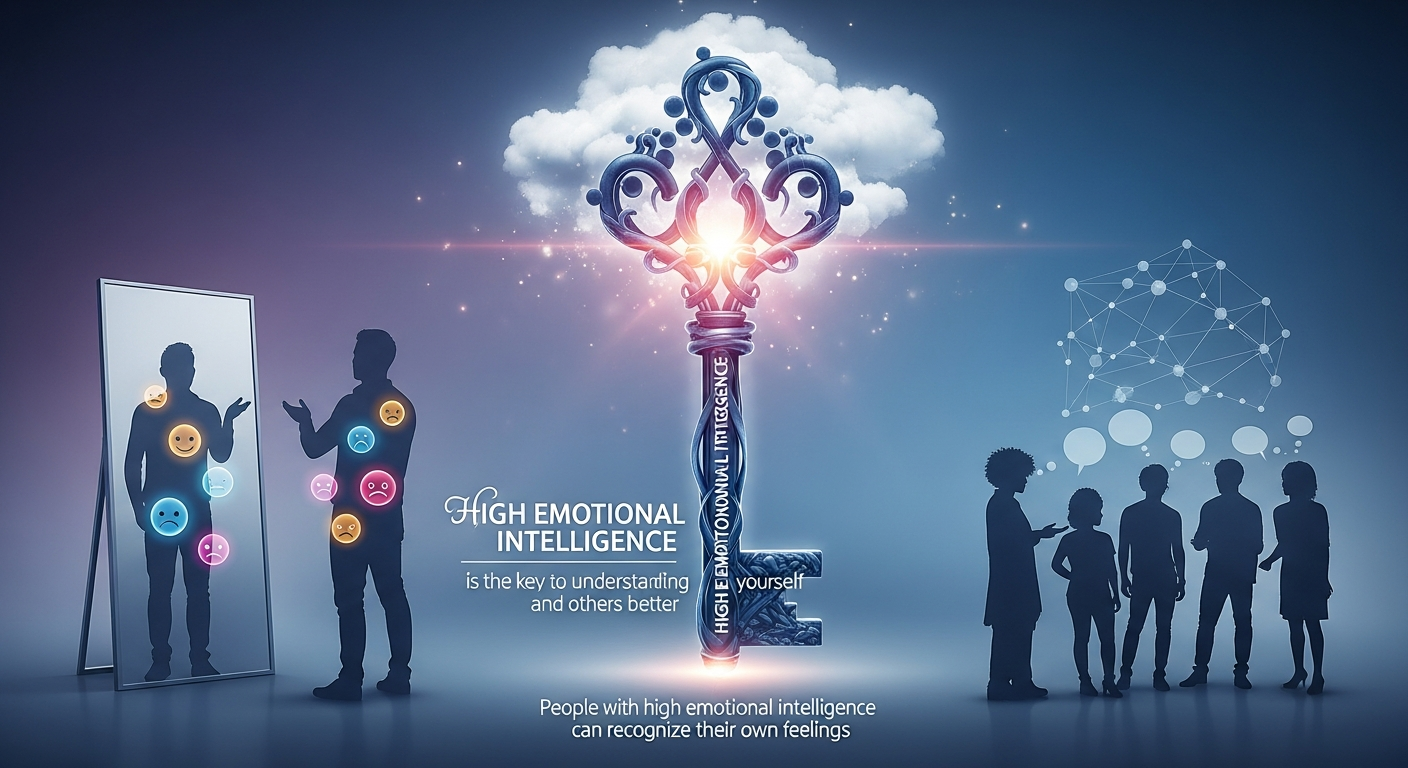
High Emotional Intelligence is the key to understanding yourself and others better. People with high emotional intelligence can recognize their own feelings and the feelings of people around them. This ability helps them make better decisions, communicate clearly, and solve problems in a calm and smart way. When you have high emotional intelligence, you can handle stress more easily, stay positive in hard times, and build stronger relationships. It is not just about being nice to others, but also about being aware of your own emotions and controlling them in a smart way. High emotional intelligence helps in both personal life and work life because it improves teamwork, leadership, and friendships. When someone has high emotional intelligence, they know how to listen, understand, and respond to others without arguing or hurting feelings. It also helps them stay confident without being rude or bossy.
People with high emotional intelligence can notice tiny signs in body language, tone of voice, and facial expressions that tell them what someone else is feeling. This makes them better at helping friends, solving conflicts, or leading a team. Learning to have high emotional intelligence takes time and practice, but it can change your life in many ways. By being aware of your emotions and practicing empathy, you can become calmer, wiser, and more patient. You can also understand why other people act the way they do and respond in a way that helps instead of creating problems. High emotional intelligence also helps in learning from mistakes instead of blaming others. It is like a superpower that helps you manage yourself and your relationships in a way that makes life happier and easier. People with high emotional intelligence are not only happier themselves, but they also make the people around them feel safe,
What Is High Emotional Intelligence and Why It Matters
High emotional intelligence is the ability to understand your feelings and the feelings of people around you. People with high emotional intelligence know when they are happy, sad, or frustrated, and they can control their emotions in smart ways. They also notice how others feel and respond with kindness. This skill is very important because it helps you make friends, avoid fights, and stay calm when life is hard. High emotional intelligence makes learning easier, helps you in school or work, and improves your confidence. When you understand your feelings and respect others, life feels happier and safer. People with high emotional intelligence can solve problems without stress and make everyone feel respected.
5 Key Skills of High Emotional Intelligence
High emotional intelligence is built on five main skills: self-awareness, self-control, motivation, empathy, and social skills. Self-awareness means knowing your feelings and why you feel them. Self-control helps you manage your reactions and stay calm. Motivation is about staying positive and working hard to reach goals. Empathy means understanding other people’s feelings and helping them feel better. Social skills help you talk, listen, and work with others nicely. When you practice these skills, you become more confident, patient, and friendly. High emotional intelligence is not just a talent; it is a skill anyone can learn by practicing every day. These five skills help you live happily and make better decisions.
How High Emotional Intelligence Improves Your Life
High emotional intelligence changes your life in many ways. It helps you stay calm during stressful moments and think clearly before reacting. It improves your friendships because you understand what others feel and respond kindly. It also helps in school or work because you can communicate well and solve problems quickly. People with high emotional intelligence can handle criticism without getting upset and celebrate success without being arrogant. They are better at teamwork, leadership, and motivating themselves. Life becomes easier because you can control your emotions, understand others, and avoid unnecessary fights. High emotional intelligence helps you grow as a person, stay positive, and enjoy life more fully.
High Emotional Intelligence in Work and School
High emotional intelligence is very useful in work and school. At school, it helps students listen to teachers, share ideas, and cooperate with classmates. It also helps when there is a conflict because students can solve problems calmly. At work, high emotional intelligence helps people work together, lead teams, and communicate clearly. Employees with high emotional intelligence can manage stress and encourage others without arguing. It also makes learning new skills easier because people stay focused and patient. High emotional intelligence creates a positive environment where everyone feels respected and supported. People with these skills often get better results and stronger friendships in school and work.
Steps to Develop High Emotional Intelligence
Developing high emotional intelligence takes practice, but anyone can learn it. First, notice your feelings and write them down. Second, try to control your reactions and stay calm when things are hard. Third, practice empathy by thinking about how others feel. Fourth, improve social skills by listening carefully and speaking kindly. Fifth, stay motivated and positive even when things are challenging. Doing these steps every day makes your emotional intelligence stronger. You will notice that you can handle stress, solve problems, and get along with others more easily. High emotional intelligence is like a superpower that helps you in life, school, work, and friendships.
High Emotional Intelligence and Healthy Relationships
High emotional intelligence makes relationships healthy and happy. People with high emotional intelligence can listen, understand, and support their friends and family. They know when someone is upset and respond kindly instead of arguing. They can forgive mistakes and apologize when needed. This creates trust and makes everyone feel safe. In romantic relationships, high emotional intelligence helps partners communicate better and solve conflicts calmly. It also improves teamwork in friendships and work relationships. By practicing empathy and self-control, people with high emotional intelligence make others feel valued and appreciated. Healthy relationships grow stronger because emotions are understood, respected, and managed wisely.
Common Myths About High Emotional Intelligence
Some people believe high emotional intelligence means being perfect or always happy, but this is not true. High emotional intelligence is not about hiding feelings or avoiding problems. It is about understanding emotions and responding wisely. Another myth is that only smart or popular people can have high emotional intelligence, but anyone can learn it. Some also think high emotional intelligence is not useful, but it helps in school, work, and life. It improves relationships, teamwork, and decision-making. Knowing these myths helps people practice high emotional intelligence without fear or misunderstanding. Learning emotional intelligence is simple and helps everyone live better and happier.
High Emotional Intelligence vs Low Emotional Intelligence
High emotional intelligence and low emotional intelligence are very different. People with high emotional intelligence control their feelings, understand others, and solve problems calmly. They make friends easily and stay positive in hard times. People with low emotional intelligence often react quickly, misunderstand others, and struggle in relationships. They may argue, feel stressed, or hurt others without knowing. High emotional intelligence helps people handle challenges, communicate clearly, and grow as individuals. Low emotional intelligence can make life harder and create conflict. By practicing self-awareness, empathy, and patience, anyone can move from low emotional intelligence to high emotional intelligence and enjoy a happier life.
Conclusion
High emotional intelligence is one of the most important skills in life. It helps people understand their own feelings and the feelings of others. When you have high emotional intelligence, you can stay calm in stressful situations and solve problems without arguing. It makes friendships, family relationships, and teamwork much stronger because everyone feels heard and respected. High emotional intelligence also helps in school and work because it improves focus, communication, and confidence. People with high emotional intelligence are happier, healthier, and more successful because they manage emotions wisely. By practicing self-awareness, empathy, self-control, motivation, and social skills every day, anyone can become emotionally intelligent.
Learning high emotional intelligence takes time, but it is worth the effort. It helps you forgive mistakes, handle stress, and encourage others in a kind way. It also helps you celebrate successes without feeling proud or arrogant. High emotional intelligence allows people to notice small signs, like facial expressions or tone of voice, so they can respond wisely. Life becomes easier when emotions are understood and managed carefully. People around you also feel safer, happier, and appreciated. High emotional intelligence makes you a better friend, family member, student, or employee because you communicate and act in smart ways.