Emotional Intelligence Examples How to Understand and Use Them in Daily Life
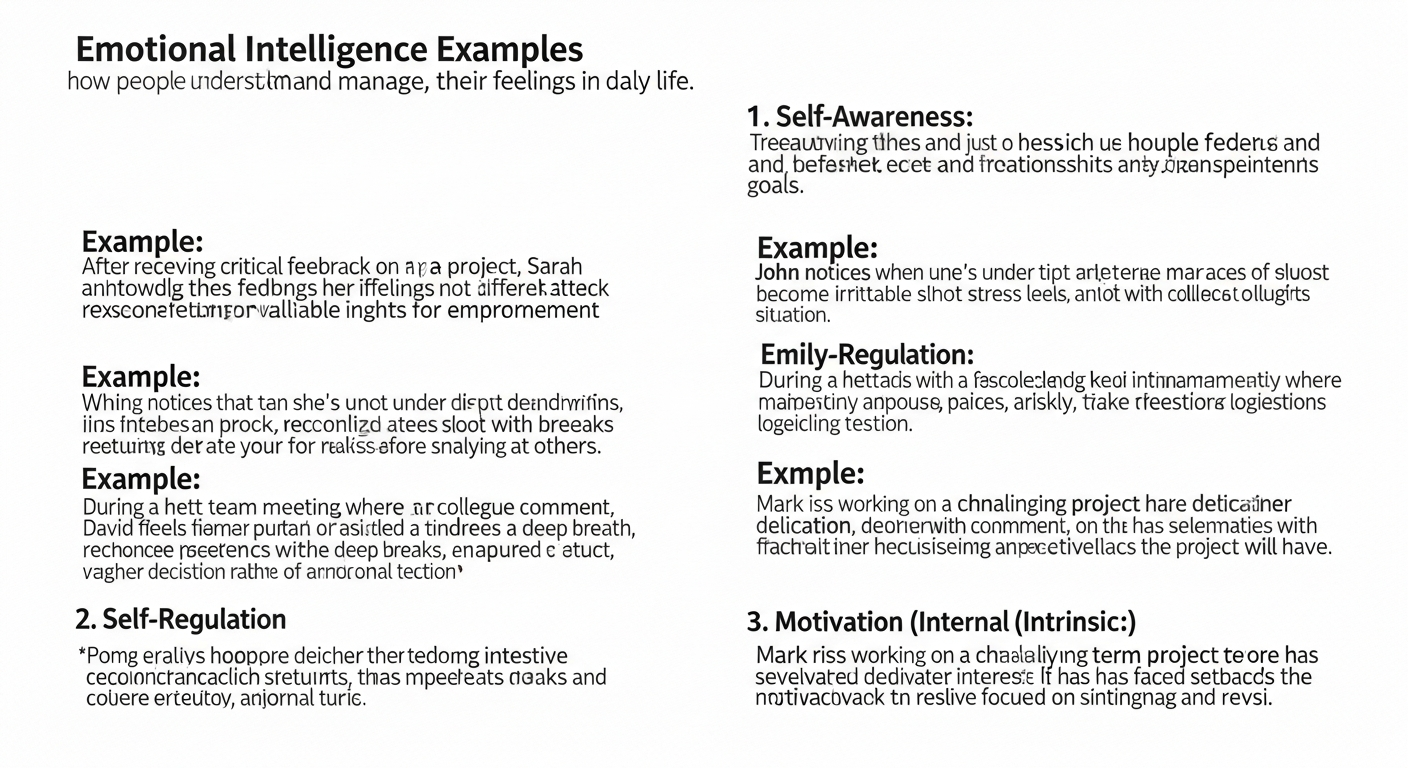
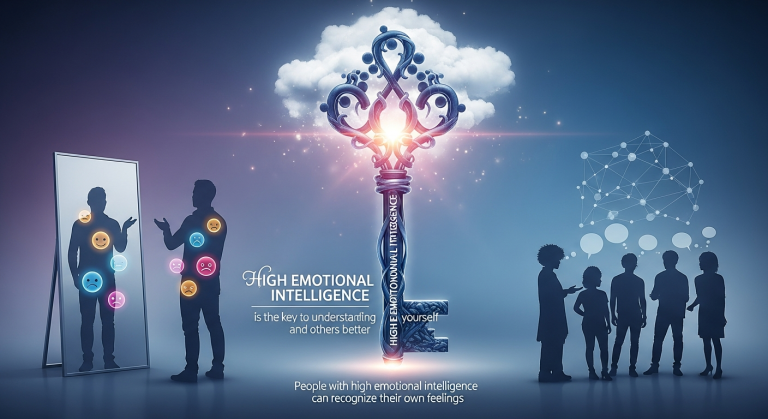
Emotional Intelligence Examples help us see how people understand and manage their feelings in daily life. Emotional intelligence is not just about being smart with facts; it is about knowing our emotions and the emotions of others. For example, when someone feels sad, a person with high emotional intelligence can notice it and respond in a kind way. Emotional intelligence examples can be seen in small actions, like listening carefully to a friend, saying thank you, or staying calm when something goes wrong. Learning these examples helps everyone, from kids to adults, handle situations better. Emotional intelligence is important at home, school, work, and even with friends. When people practice emotional intelligence, they can solve problems easier and make stronger relationships.
For instance, a student who notices a classmate is nervous before a presentation can offer encouragement. At work, a colleague who understands frustration can calm down a tense meeting. Parents can use emotional intelligence examples to teach kids how to express feelings without anger. Emotional intelligence is also about controlling our own reactions. For example, if someone says something rude, instead of yelling back, a person with emotional intelligence might pause and respond politely. Emotional intelligence examples also include self-motivation, like continuing to study even when it’s hard, and empathy, like helping someone who is sad without expecting anything in return. Teachers use emotional intelligence to manage classrooms, noticing when students are stressed or happy and responding in helpful ways.
Top Emotional Intelligence Examples You Can Use Every Day
Emotional intelligence examples you can use every day help make life easier and happier. One example is listening carefully when someone talks instead of thinking about what you will say next. Another is noticing when someone is sad or upset and offering a kind word or smile. You can also practice controlling your own feelings, like staying calm when you are frustrated or angry. Saying thank you, giving compliments, and helping others without expecting anything back are also emotional intelligence examples. Even small actions like holding the door for someone or asking how they feel show emotional intelligence. Using these examples daily can make friends, family, and coworkers feel valued. Emotional intelligence helps you understand people and handle problems better. The more you practice these examples, the stronger your emotional intelligence grows, making daily life smoother, happier, and more peaceful.
How Emotional Intelligence Examples Improve Your Relationships
Emotional intelligence examples improve your relationships by helping you understand yourself and others better. For example, when a friend is upset, showing empathy and listening carefully can make them feel understood. Apologizing when you make a mistake and forgiving others when they make mistakes are also emotional intelligence examples. At home, noticing a parent’s or sibling’s feelings and responding kindly strengthens family bonds. Emotional intelligence helps in friendships because it encourages patience, understanding, and sharing emotions in a healthy way. People with emotional intelligence communicate clearly, solve conflicts calmly, and make others feel safe and respected. These examples improve trust and connection in every relationship. Using emotional intelligence examples daily can turn small problems into learning moments. Over time, practicing these examples creates happier, more meaningful relationships with friends, family, classmates, and coworkers.
Simple Emotional Intelligence Examples for Kids and Adults
Emotional intelligence examples are not just for adults; kids can use them too. For kids, simple examples include sharing toys, taking turns, saying sorry, and listening to friends’ feelings. Adults can practice examples like staying calm when stressed, encouraging someone who is sad, and giving positive feedback. Both kids and adults can notice emotions in others and respond kindly, which builds better friendships and teamwork. Emotional intelligence examples also include understanding mistakes, controlling anger, and asking for help when needed. Practicing these examples every day makes everyone feel valued and respected. Kids learn how to express feelings without fighting, while adults can handle work and family challenges more easily. Using emotional intelligence examples helps people of all ages make decisions calmly and treat others with kindness.
Emotional Intelligence Examples at Work and School
Emotional intelligence examples at work and school help people succeed and stay happy. At work, noticing a stressed coworker and offering help shows emotional intelligence. Staying calm during meetings or disagreements, listening carefully, and communicating clearly are also examples. Teachers use emotional intelligence examples when they encourage students and understand their problems. Students use emotional intelligence when they share ideas politely, cooperate with classmates, and manage stress during exams. Using emotional intelligence examples improves teamwork, prevents conflicts, and makes everyone feel respected. Leaders with emotional intelligence inspire teams, solve problems calmly, and create a positive environment. Practicing these examples every day at school and work helps people feel happy, focused, and confident while building strong relationships with others.
Why Emotional Intelligence Examples Matter for Success
Emotional intelligence examples matter for success because they help people manage feelings, understand others, and make good choices. For example, staying calm under pressure, encouraging a teammate, or resolving conflicts peacefully are examples that lead to success. People with emotional intelligence listen carefully, solve problems, and make others feel appreciated. These examples are important in work, school, and life because they improve communication, teamwork, and decision-making. Practicing emotional intelligence daily helps people stay motivated, patient, and confident. Emotional intelligence examples also teach empathy, kindness, and respect, which are keys to strong relationships and personal growth. Using these examples consistently leads to success in friendships, family, career, and personal goals while creating a happier life for everyone around you.
Everyday Emotional Intelligence Examples You Might Miss
Everyday emotional intelligence examples can be easy to miss but are very important. Smiling at someone, asking how they are, holding the door, or helping a classmate shows emotional intelligence. Listening without interrupting, staying calm when upset, and saying kind words are also examples. Many people forget that emotional intelligence is about noticing feelings and responding in a helpful way. Even small actions, like thanking someone or encouraging a friend, can make a big difference. Paying attention to these everyday examples improves friendships, family life, and teamwork. Practicing them daily helps people feel respected, understood, and happy. Over time, using everyday emotional intelligence examples makes life smoother, relationships stronger, and helps everyone around feel cared for.
How to Learn Emotional Intelligence Examples Quickly
Learning emotional intelligence examples quickly is possible if you practice every day. Start by noticing your own feelings and how you react to situations. Then, observe others’ feelings and try responding kindly and calmly. Simple actions like smiling, listening carefully, apologizing when wrong, and helping someone in need are great examples to start with. You can also practice patience, staying calm during conflicts, and understanding others’ perspectives. Role-playing situations or talking with a mentor can make learning faster. The key is to try small examples daily and notice how people respond. By practicing emotional intelligence examples consistently, you will grow more aware, caring, and confident in handling emotions. Over time, these examples will become habits that improve every part of your life.
Conclusion
Emotional intelligence examples are very helpful for everyone, young and old. They show us how to understand our feelings and the feelings of others. Using emotional intelligence examples daily can make friends, family, and coworkers feel happy and respected. Small acts like listening, smiling, helping, or staying calm can make a big difference in life. Emotional intelligence examples help us solve problems, avoid fights, and build strong relationships. When we practice emotional intelligence examples, we learn patience, kindness, and empathy. These skills make school, work, and home life easier and happier. Emotional intelligence examples also teach us to forgive mistakes, stay calm in stress, and support others. By noticing feelings and responding in caring ways, we can make our world better. Everyone can learn emotional intelligence examples and grow into kinder, smarter, and happier people.