
Best Rheumatologist in Wisconsin Your Guide to Top Care and Expert Advice
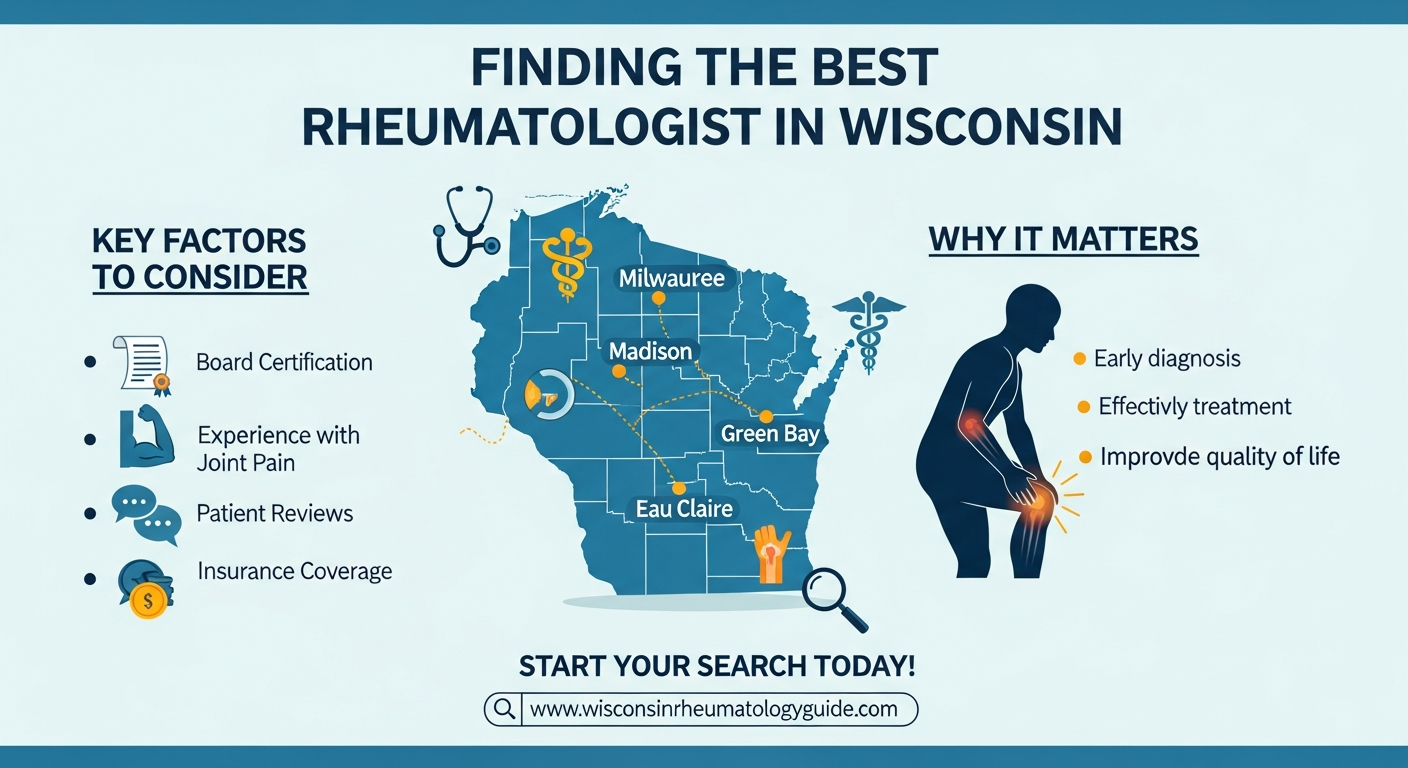
Finding the Best Rheumatologist in Wisconsin can make a huge difference in your health, especially if you are dealing with joint pain, arthritis, or other autoimmune conditions. A rheumatologist is a special doctor who focuses on bones, joints, muscles, and the immune system. They can help you find the right treatment, reduce pain, and improve your quality of life. If you want the best care, knowing how to choose a skilled and trusted rheumatologist in Wisconsin is very important. This guide will help you understand what to look for, how to prepare for appointments, and what questions to ask to get the most effective care. From understanding different types of treatments to knowing the signs of a good clinic, you will learn everything you need to make an informed choice.
Visiting the best rheumatologist in Wisconsin is not just about having a doctor; it is about having a partner in your health journey. These specialists are trained to treat a wide range of conditions such as rheumatoid arthritis, lupus, gout, and other autoimmune disorders. They use modern technology and proven methods to diagnose problems early and provide the right treatment plan for you. Whether you need medications, lifestyle advice, or long-term care, a top rheumatologist can guide you step by step. It is also important to feel comfortable and trust your doctor, as treatment often requires regular visits and careful monitoring. With the right care, you can manage your symptoms, stay active, and live a healthier, happier life.
What Makes the Best Rheumatologist in Wisconsin Stand Out
The best rheumatologist in Wisconsin is not just skilled; they are also caring and attentive. They listen to your concerns and make you feel comfortable during appointments. They take time to explain your condition in a simple way so that you understand your health better. A top rheumatologist uses the latest technology and treatments to help you manage your symptoms effectively. They focus on providing personalized care because each patient’s condition is unique. Many patients look for doctors who have good reviews, strong experience, and proper certification.
Top Qualities to Look for in a Wisconsin Rheumatologist
When searching for the best rheumatologist in Wisconsin, certain qualities are very important. First, the doctor should be board-certified and have specialized training in rheumatology. Experience with specific conditions like rheumatoid arthritis or lupus is also key. Good communication is another important quality; your doctor should answer your questions clearly and patiently. Compassion and understanding are essential because chronic illnesses can be stressful. Availability and office support are also important. A great rheumatologist will provide easy access to appointments, timely responses, and guidance whenever needed.
How to Find the Best Rheumatologist in Wisconsin Near You
Finding a rheumatologist near your home can save time and make regular visits easier. You can start by asking your primary care doctor for recommendations. Friends, family, or support groups can also provide suggestions based on their experiences. Online research is helpful too. Look for reviews, patient testimonials, and ratings to understand the doctor’s reputation. Checking the clinic’s website for services, specialties, and doctors’ qualifications can give a good idea about their expertise. Location, office hours, and insurance coverage are other practical factors to consider.
Treatments and Services Offered by Leading Rheumatologists
The best rheumatologist in Wisconsin offers a variety of treatments to manage joint and autoimmune conditions. These may include medications to reduce inflammation and pain, physical therapy recommendations, and lifestyle guidance. Some doctors provide advanced treatments like biologic therapies or joint injections. Regular monitoring and lab tests help track your progress and adjust treatment plans if needed. Education is also part of care, as patients learn how to manage symptoms, prevent flare-ups, and maintain a healthy lifestyle. Many top rheumatologists also collaborate with other specialists to ensure comprehensive care.
Tips for Your First Appointment with a Rheumatologist
Your first visit with a rheumatologist can feel overwhelming, but preparation helps a lot. Write down your symptoms, their duration, and any triggers you have noticed. Bring your medical history, list of medications, and previous test results. Prepare questions about your condition, treatment options, and long-term management. Being honest and clear about your symptoms will help the doctor create the best treatment plan for you. Don’t hesitate to ask about the risks and benefits of different therapies. The first appointment is the foundation for your ongoing care, so taking it seriously is very important.
Common Conditions Treated by the Best Rheumatologist in Wisconsin
Rheumatologists treat a wide range of conditions that affect joints, muscles, and the immune system. Some common conditions include rheumatoid arthritis, osteoarthritis, lupus, gout, fibromyalgia, scleroderma, and vasculitis. Each condition has different symptoms and requires specific treatments. Early diagnosis is very important because it can prevent worsening of the disease and reduce long-term damage. The best rheumatologists have experience in treating rare and complex conditions, ensuring that every patient receives the right care.
Questions to Ask Your Wisconsin Rheumatologist Before Starting Treatment
Before starting treatment, asking questions is crucial. Some important questions include: What is the exact diagnosis? What treatment options are available? What are the possible side effects of medications? How often should I visit for follow-ups? Can lifestyle changes help with my condition? How long will it take to see improvement? The best rheumatologist in Wisconsin will answer all your questions carefully and guide you through every step. Asking questions helps you feel more confident and involved in your own care.
How to Check Reviews and Reputation of a Rheumatologist
Patient reviews and doctor ratings can give useful insight when looking for the best rheumatologist in Wisconsin. Look for feedback on the doctor’s communication skills, effectiveness of treatment, friendliness, and overall experience. Check multiple sources, including Google, Healthgrades, and clinic websites. Recommendations from other healthcare professionals also matter. A good reputation usually shows that the doctor is trustworthy, experienced, and capable of providing excellent care.
The Role of Technology in Modern Rheumatology Care
Modern rheumatology uses technology to improve diagnosis and treatment. Digital X-rays, MRI scans, and lab tests help detect problems early. Electronic health records keep track of patient history and medications. Telemedicine allows patients to consult with their doctor online, saving time and travel. The best rheumatologists in Wisconsin use these tools to provide faster and more accurate care, making treatment more effective and convenient.
Patient Success Stories: Real Experiences with Top Rheumatologists
Hearing about other patients’ experiences can be encouraging. Many patients report reduced pain, improved mobility, and better overall health after visiting a skilled rheumatologist. Real success stories often mention doctors who listen carefully, create personalized treatment plans, and support patients emotionally. These stories show the difference that an experienced, caring rheumatologist can make in someone’s life.
Conclusion
Finding the best rheumatologist in Wisconsin is essential for managing joint pain, autoimmune diseases, and other musculoskeletal conditions. Choosing the right doctor requires research, asking the right questions, and understanding your treatment options. A top rheumatologist provides personalized care, uses advanced technology, and focuses on your overall well-being. With the right care, you can manage symptoms, prevent complications, and live an active, healthy life.
FAQs
Q1: How do I know if I need a rheumatologist?
A: If you have persistent joint pain, swelling, stiffness, or autoimmune symptoms, it is a good idea to consult a rheumatologist. Early diagnosis helps in effective treatment.
Q2: How often should I see a rheumatologist?
A: Frequency depends on your condition. Some patients visit every few months, while others need more frequent check-ups for monitoring and treatment adjustments.
Q3: Do rheumatologists accept insurance?
A: Most rheumatologists in Wisconsin accept major insurance plans. Always check with the clinic before scheduling an appointment.