The Complete Guide to Understanding and Using Retinol Serum for Healthier Skin
What Makes Retinol Serum a Skincare Essential
A retinol serum has become one of the most trusted and powerful products in modern skincare. Retinol is a form of vitamin A, a nutrient known for its ability to support skin renewal, repair damage, and prevent early signs of aging. When applied to the skin through a serum, retinol works deeply to improve texture, reduce wrinkles, and create a brighter, more youthful appearance. Dermatologists frequently recommend it because it is one of the few ingredients scientifically proven to stimulate collagen and increase cell turnover.
Many people start using a retinol serum to solve common skin concerns that come with aging. Fine lines begin to appear as collagen decreases with time, but retinol slows this process by encouraging new cell growth. It also helps unclog pores, making it useful for people who struggle with acne. Because of its wide range of benefits, retinol serum is often described as a “multi-tasking” skincare product. It treats dullness, uneven tone, rough texture, and congestion all at once.
How Retinol Serum Improves the Skin Over Time
The effects of a retinol serum develop gradually but consistently. Retinol works by penetrating deep into the skin and speeding up the renewal cycle. Instead of old skin cells staying on the surface for too long, retinol helps shed them more quickly and encourages fresh cells to take their place. This process leads to smoother, clearer skin that looks healthier and more refreshed.
One of the most well-known benefits of retinol serum is its ability to boost collagen production. Collagen is the protein responsible for firm and elastic skin. As people get older, the body naturally produces less collagen, causing wrinkles and sagging. With regular use, retinol helps the skin rebuild collagen, which reduces the appearance of fine lines. Over time, the skin becomes plumper and more resilient.
Retinol also helps fade dark spots and uneven pigmentation. Many people develop sunspots, acne marks, or discoloration over the years. Because retinol encourages cell turnover, old pigmented cells are pushed out, and new, more even-toned skin replaces them. Users often find that their complexion becomes brighter and more uniform after a few months.
How to Use Retinol Serum Safely and Effectively
Even though a retinol serum offers many benefits, it must be used correctly to avoid irritation. Retinol is a strong ingredient, and beginners often experience dryness or redness if they apply too much or use it too frequently. The skin needs time to adjust, which is why most dermatologists recommend introducing retinol slowly into the routine.
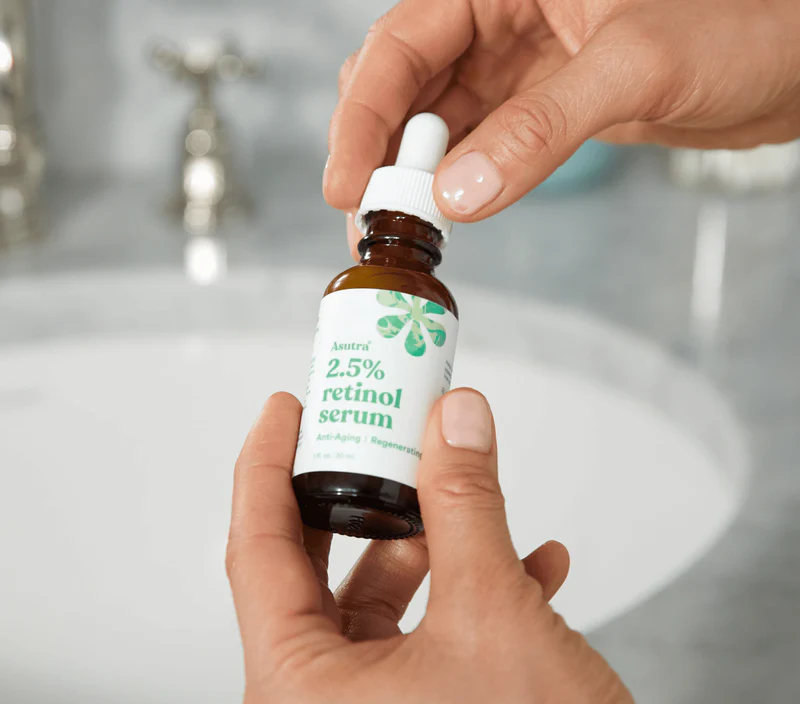
The best way to start is by applying a small amount only at night. Retinol breaks down when exposed to sunlight, so nighttime use ensures that it works effectively while the skin is at rest. After cleansing the face, the serum should be applied to dry skin. Once absorbed, a gentle moisturizer can be added to help reduce dryness. Some users prefer to apply moisturizer first and then retinol, a method known as the “sandwich technique,” which helps protect sensitive skin.
People with sensitive skin should begin by using a retinol serum only two or three times a week. As the skin becomes more tolerant, usage can be increased to every other night or nightly. It is also important to avoid using strong exfoliating acids, harsh scrubs, or chemical peels on the same nights as retinol. Mixing too many active ingredients can overwhelm the skin and cause irritation.
Common Side Effects and How to Manage Them
When starting a retinol serum, it is normal to experience mild dryness, flaking, or sensitivity. This phase is known as “retinization,” and it usually lasts a few weeks as the skin adjusts. Using a gentle, hydrating moisturizer can minimize discomfort. Drinking plenty of water and avoiding extremely hot showers also helps keep the skin hydrated.
Redness and irritation often occur if the product is too strong. In this case, switching to a lower concentration or using it less frequently can give the skin time to recover. Beginners should choose retinol strengths between 0.2% and 0.5%. Higher concentrations should only be used by people whose skin is already accustomed to retinol.
Another important precaution is to always use sunscreen during the day. As retinol increases cell turnover, the new skin that forms is more sensitive to UV rays. Without protection, sun damage may occur more easily. A broad-spectrum sunscreen with SPF 30 or higher is essential for anyone using a retinol serum.
Choosing the Right Retinol Serum for Your Skin Type
Finding the right retinol serum depends on your skin type, goals, and sensitivity level. For beginners or people with sensitive skin, products containing encapsulated retinol or lower concentrations work best. Encapsulated formulas release retinol slowly, reducing irritation while still delivering results.
People with oily or acne-prone skin may benefit from a stronger formula because retinol helps unclog pores and reduce breakouts. On the other hand, individuals with dry skin should look for formulations that include hydrating ingredients like hyaluronic acid, ceramides, or niacinamide. These ingredients soothe and moisturize the skin while retinol does its job.
Age is also a factor. Younger users in their twenties may prefer gentler concentrations for preventive care. Older users seeking wrinkle reduction or scar improvement often need stronger versions. Regardless of age or skin type, starting slowly is always the safest approach.
How Long It Takes to See Results with Retinol Serum
Retinol is highly effective, but it is not a quick fix. Most people begin to see visible improvements after four to six weeks of consistent use. However, deeper changes such as collagen rebuilding, smoothing wrinkles, and fading dark spots may take three to six months. Patience is essential because retinol works beneath the surface before results become visible on the outside.
Long-term use leads to the best outcomes. People who stick with their routine for a year often notice dramatic improvements in firmness, clarity, and overall skin quality. This is why retinol serum is considered one of the most reliable long-term skincare investments.
Final Thoughts on Retinol Serum
A retinol serum is one of the most effective products in modern skincare. It addresses multiple concerns at once, from wrinkles and texture issues to acne and dark spots. With consistent use, it strengthens the skin from within by boosting collagen and increasing cell turnover. While retinol can cause dryness or irritation at first, these effects are temporary and manageable with proper technique, patience, and good moisturization.
Choosing the right strength, applying it at night, introducing it slowly, and protecting the skin with sunscreen are the keys to achieving great results. When used correctly, retinol serum can transform the skin’s appearance and deliver a smoother, brighter, and more youthful complexion that lasts.